
INSIDE LITTLE IVY COLLEGES
The official news, rankings, and history of America’s 18 most selective small colleges.
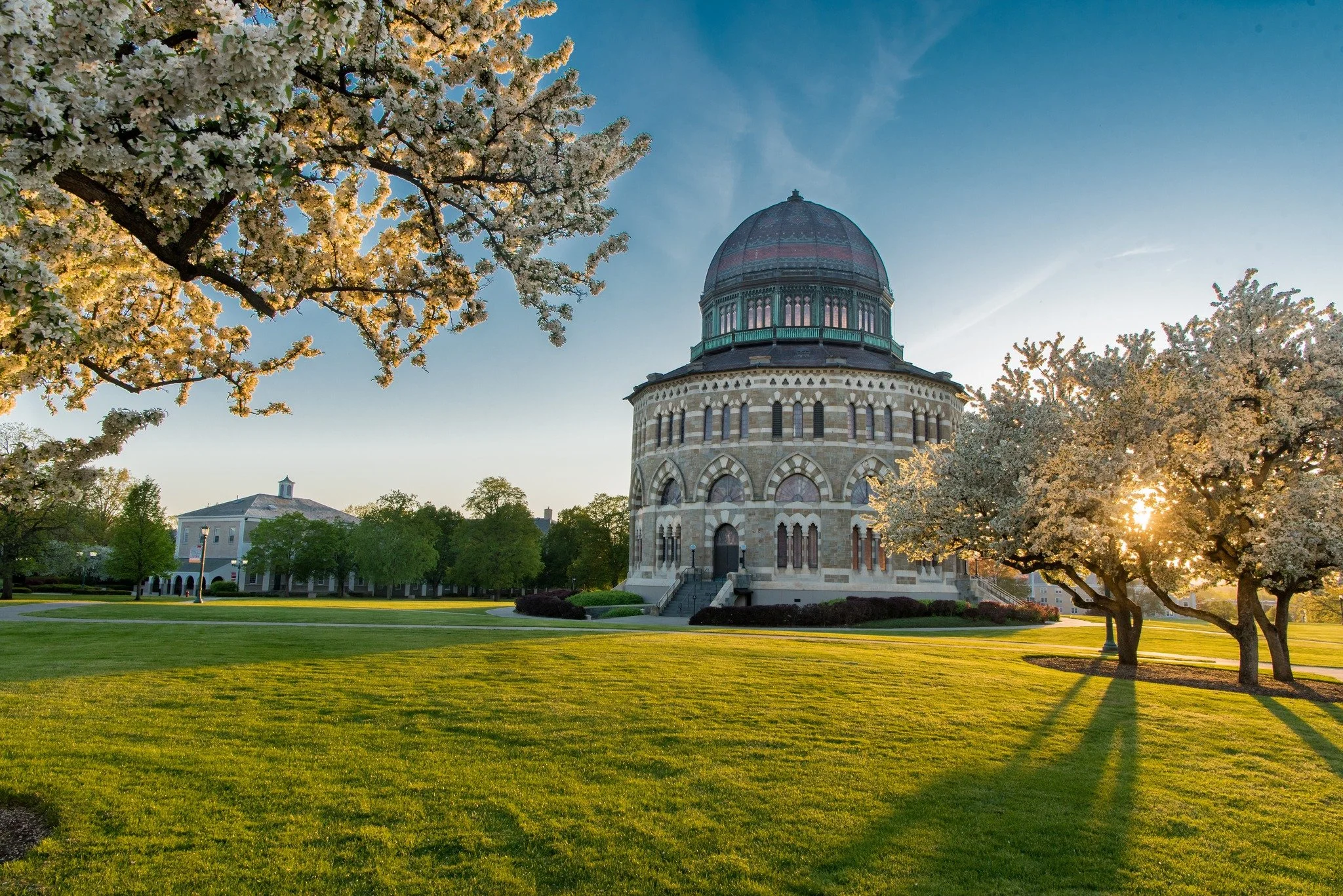
Featured campus: Union College (Schenectady, NY)

LittleIvyColleges.com is an independent association examining the history, selectivity, academic rigor, and cultural influence of the 18 Little Ivy Colleges (LICs).
Our research combines historical archives, admissions data, and comparative analysis to clarify how these institutions fit into the broader elite liberal arts landscape.
6,000
College in the U.S.
18
Little Ivy Colleges
WHO ARE THE 18 LITTLE IVIES?
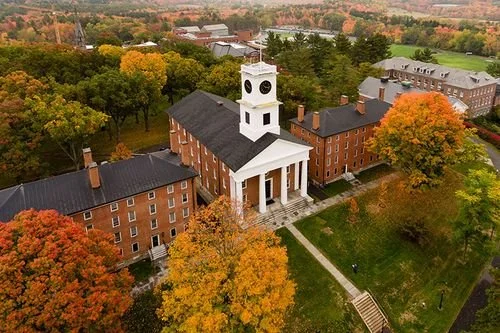
Amherst College
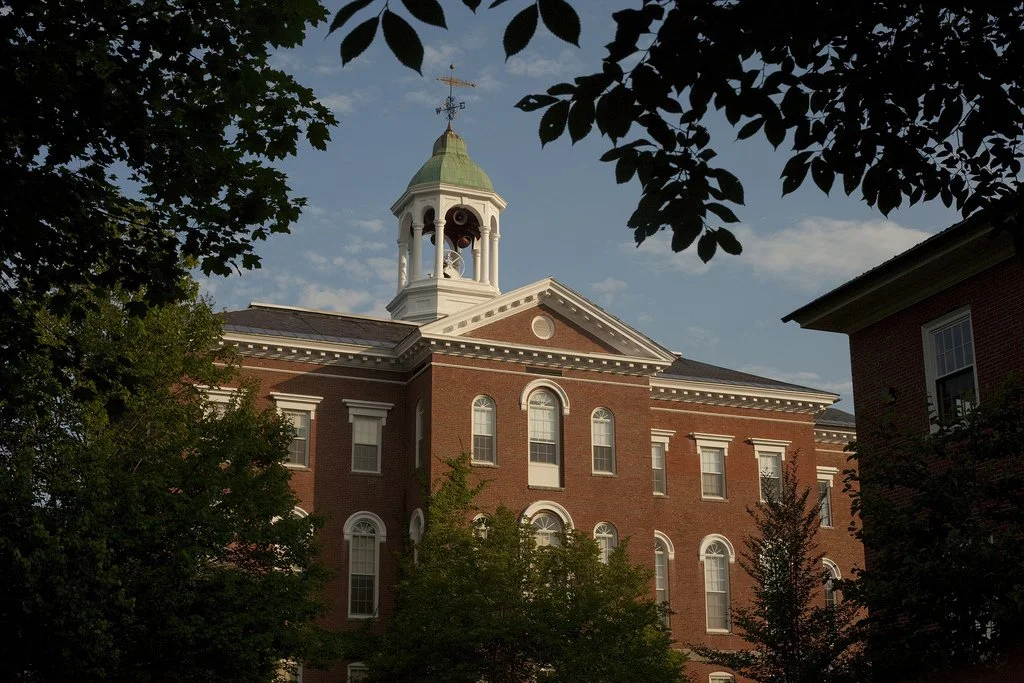
Bates College
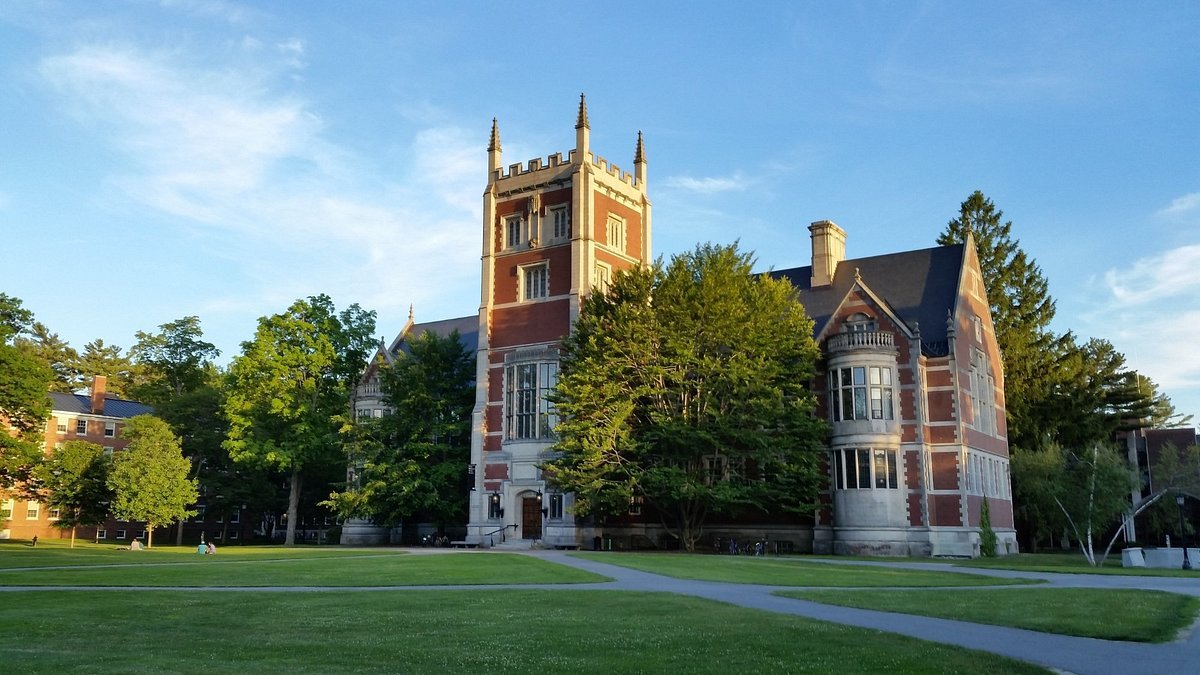
Bowdoin College
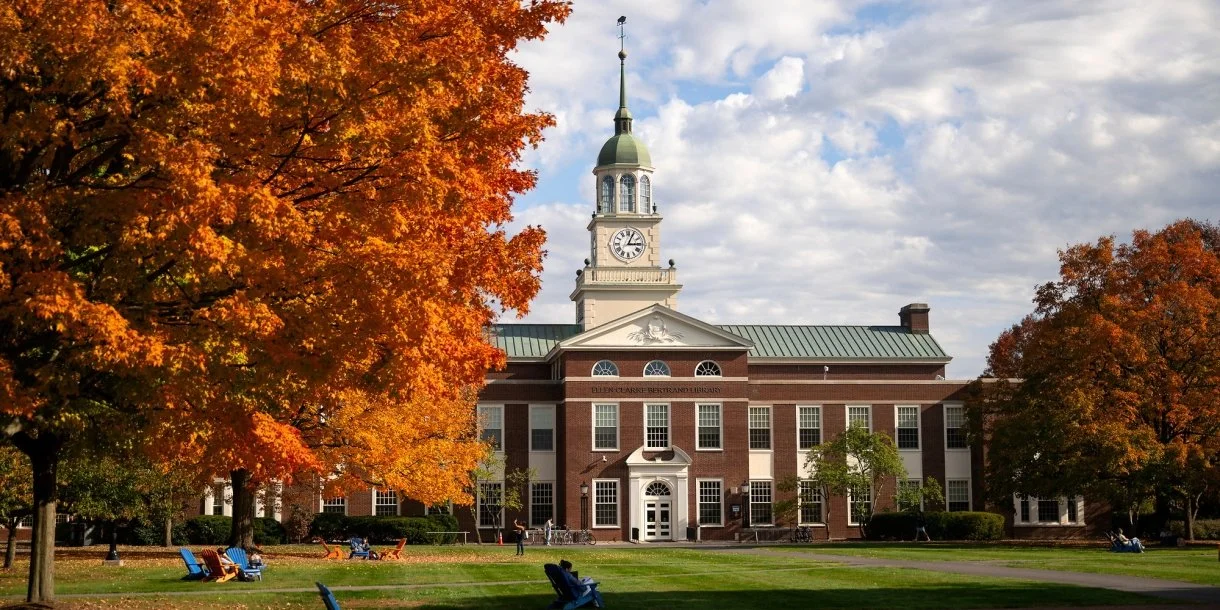
Bucknell University
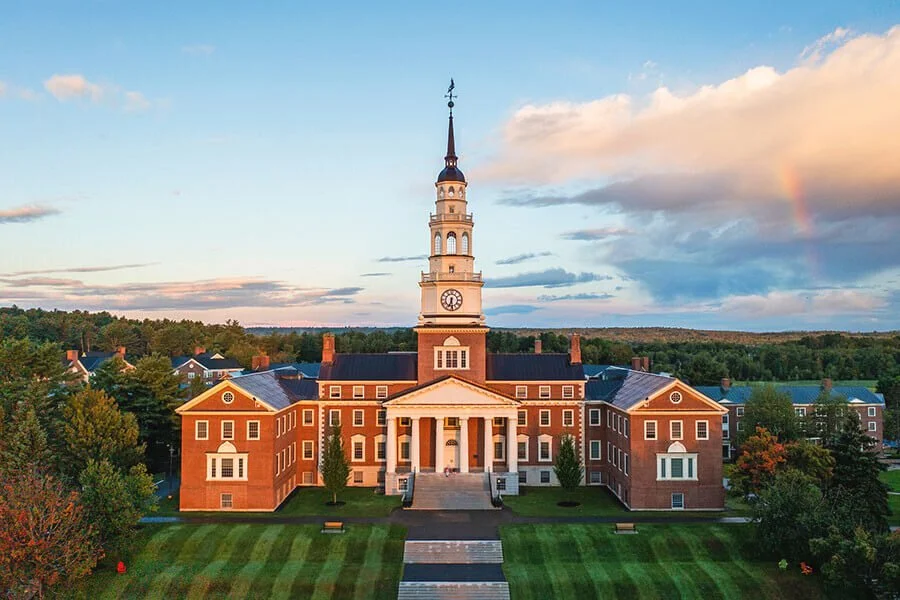
Colby College
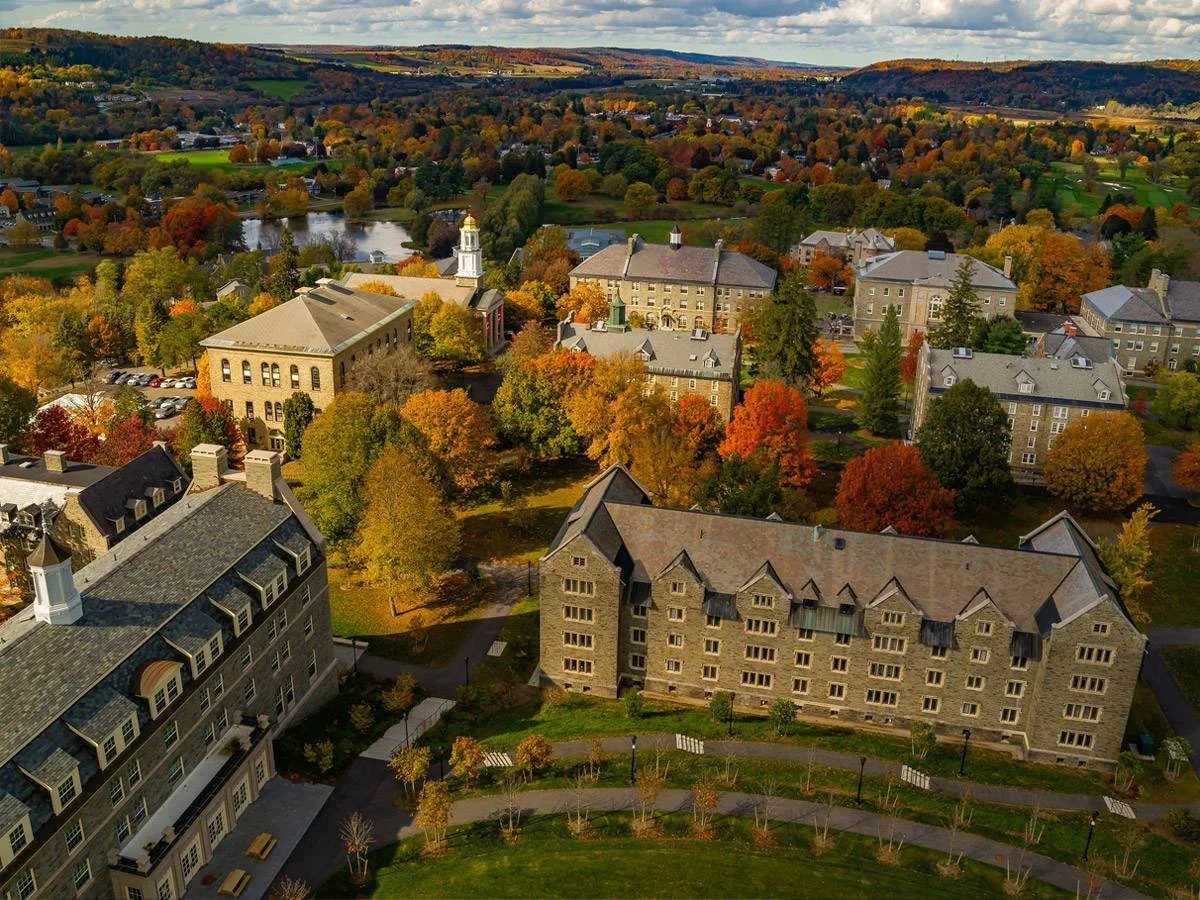
Colgate University
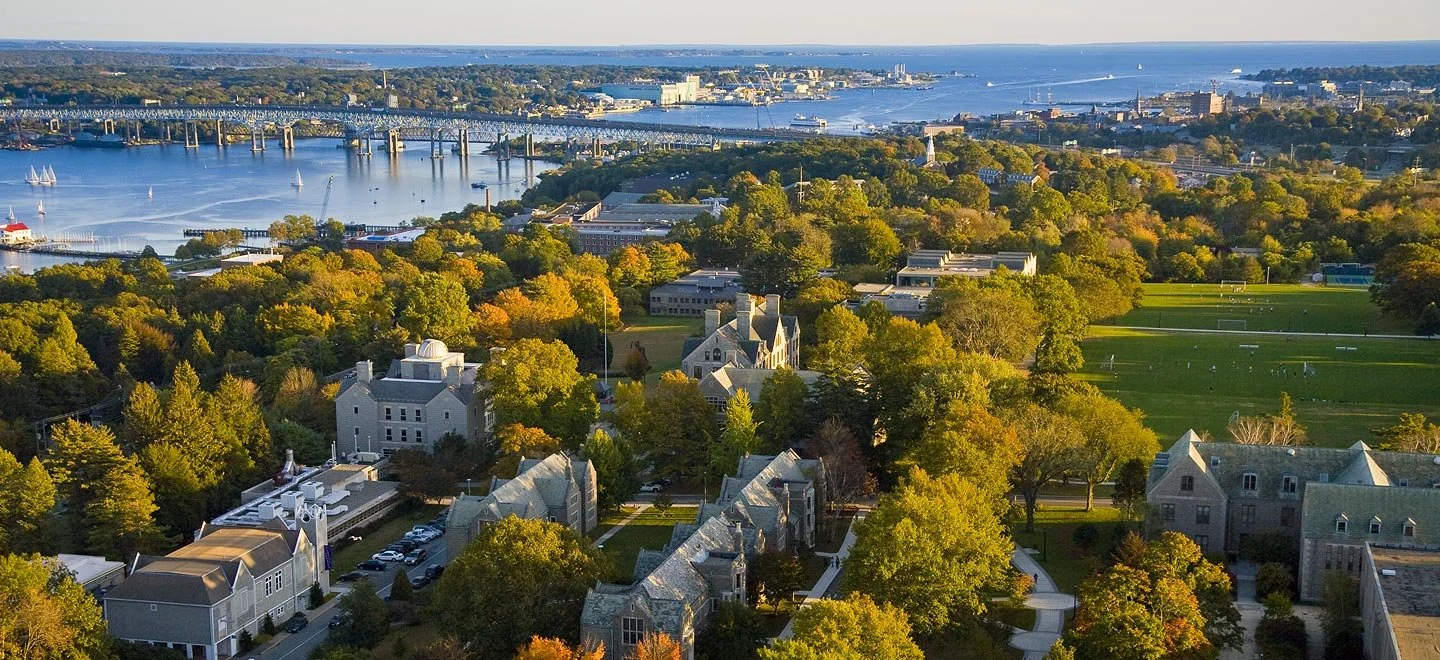
Connecticut College
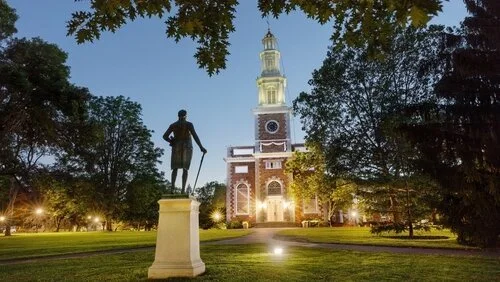
Hamilton College
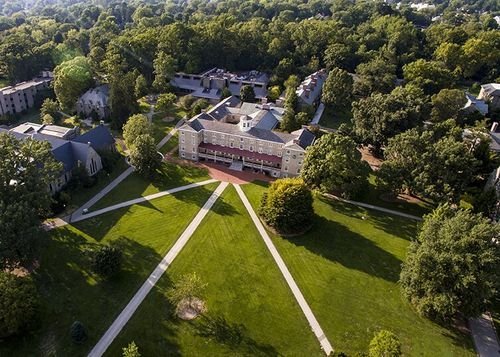
Haverford College
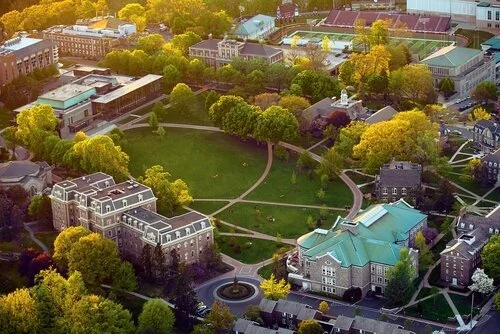
Lafayette College

Middlebury College
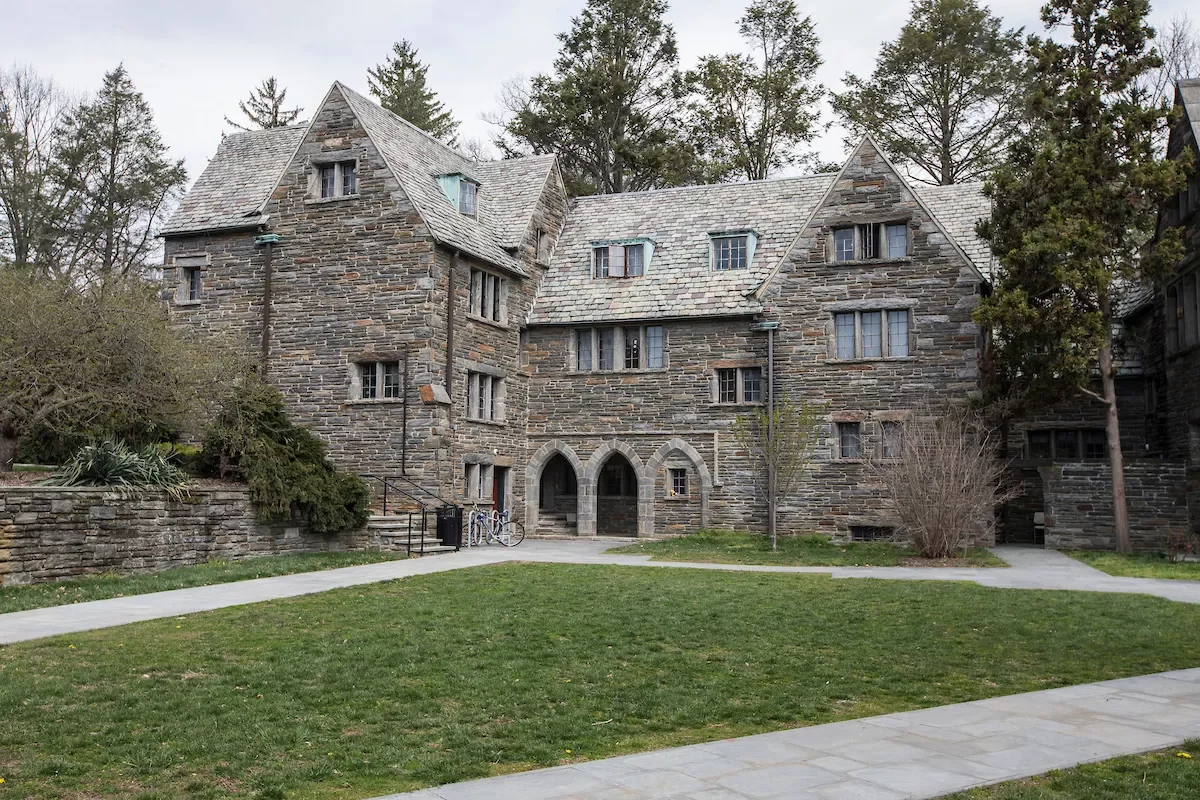
Swarthmore College
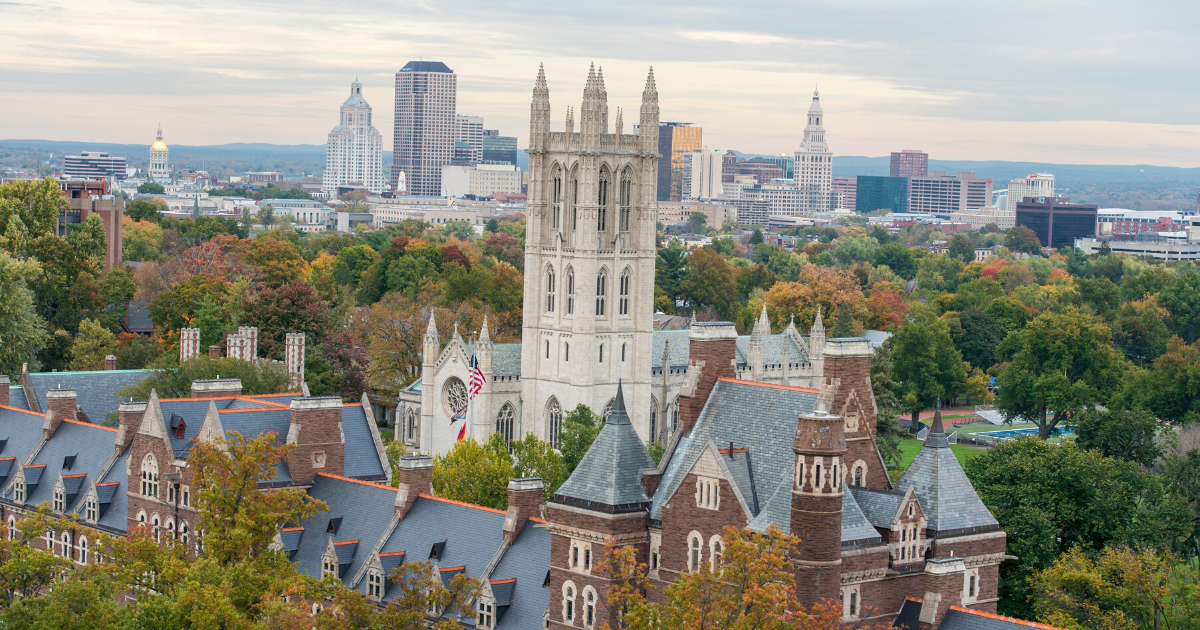
Trinity College
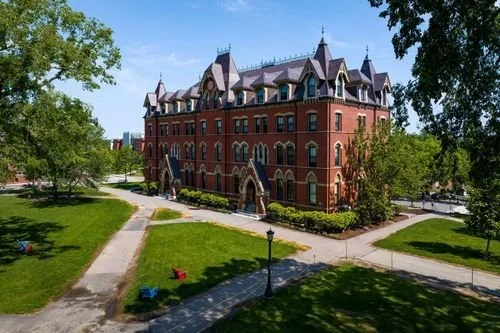
Tufts University
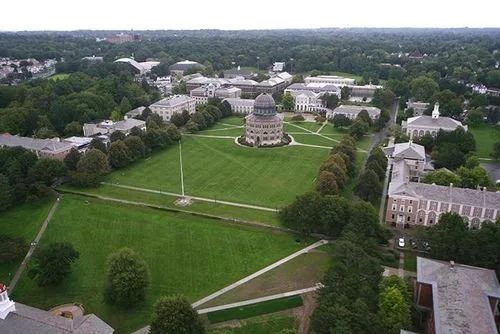
Union College
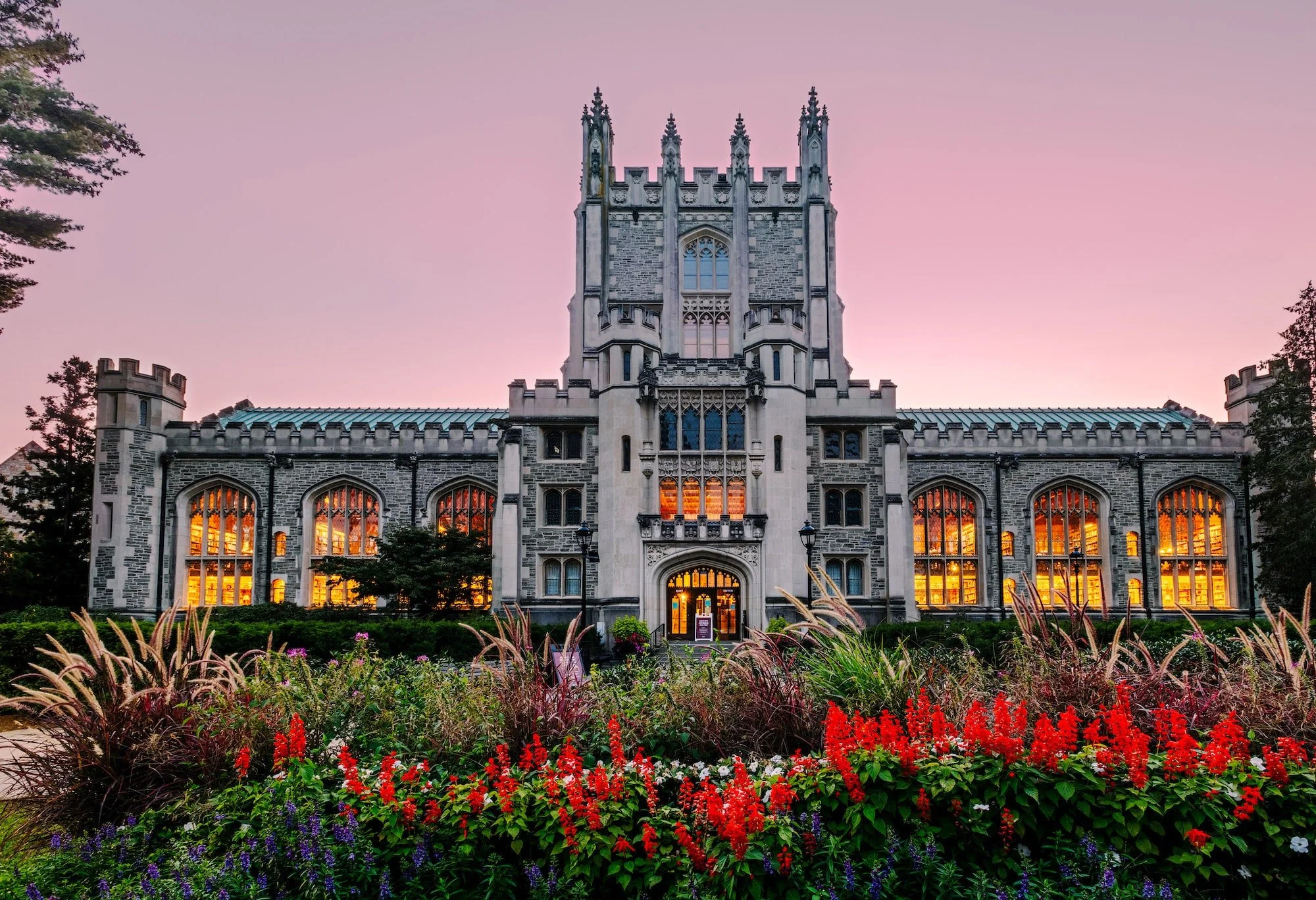
Vassar College
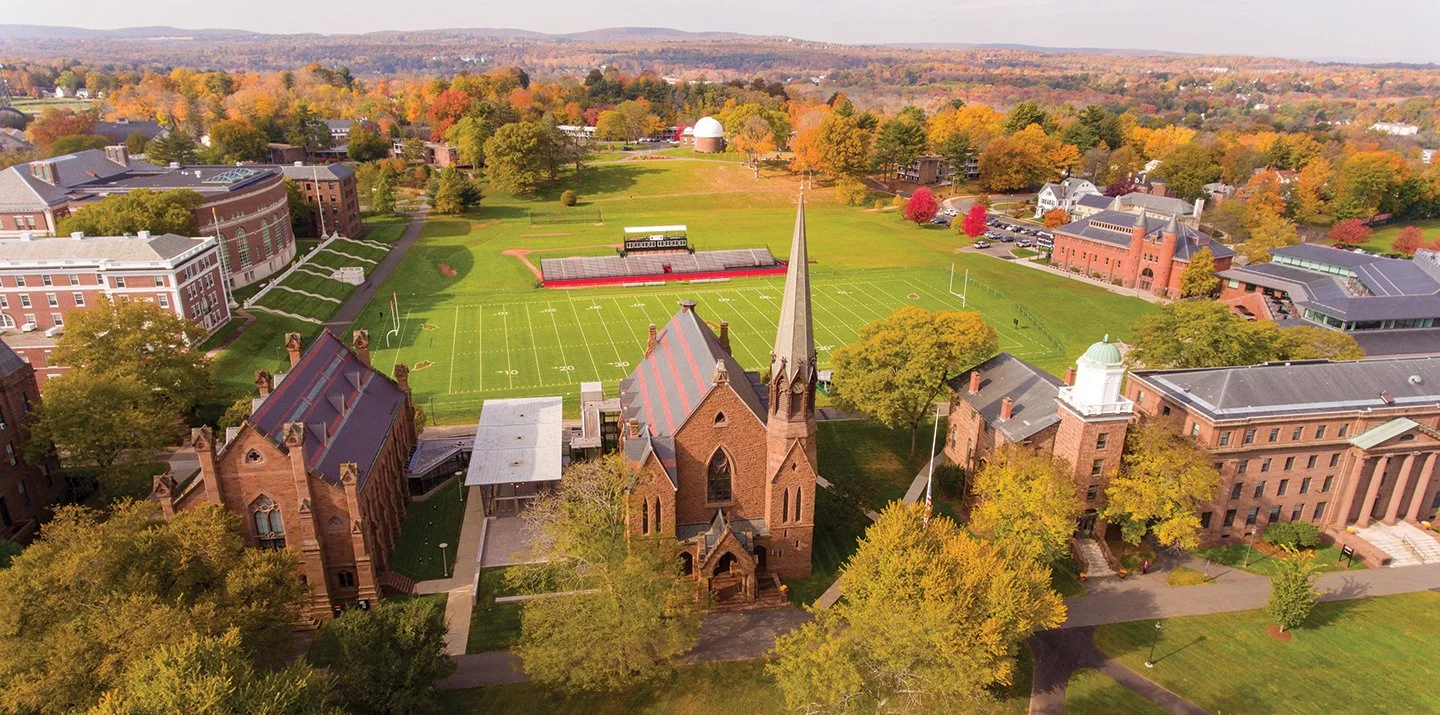
Wesleyan University
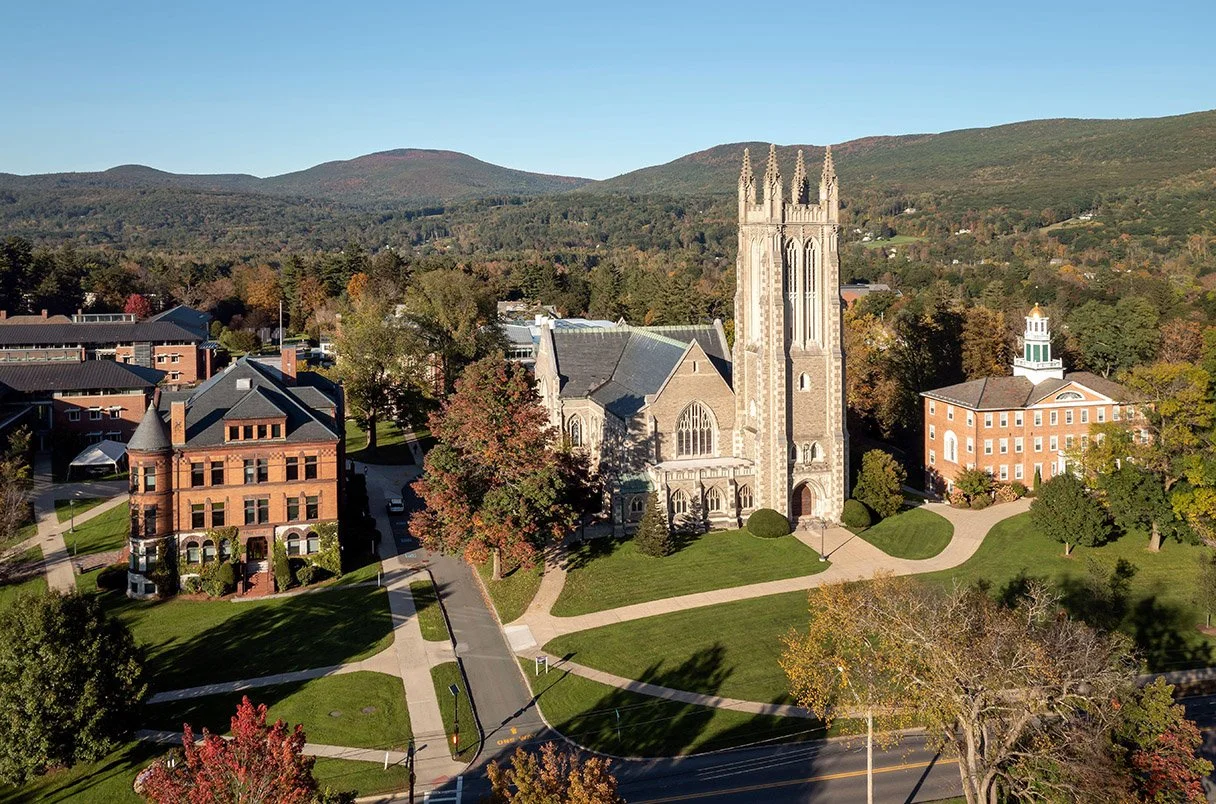
Williams College
WHAT MAKES A LITTLE IVY?
-
The concept of the "Little Ivy" is anchored not merely in architecture or location, but in a rigorous culture of selectivity that rivals the most famous universities in the world. For institutions like Amherst, Williams, Swarthmore, and Bowdoin, admission is a mathematical gauntlet. With acceptance rates frequently dipping into the single digits or low teens, these colleges act as gatekeepers, curating classes of students who possess not just high test scores, but a demonstrated capacity for critical thought and intellectual curiosity. This hyper-selectivity is a defining trait of the Little Ivy identity, signaling to the world that entry into these small communities is a badge of distinction in itself.
-
The "Little Ivy" moniker is inextricably linked to a specific geography and history: the rigorous, rocky, and intellectual landscape of the American Northeast. From the coast of Maine to the hills of Pennsylvania, these colleges are physical manifestations of a distinct educational heritage that dates back to the 18th and 19th centuries. Their roots are entangled with the founding of the nation, the rise of the liberal arts tradition, and the establishment of the American elite. To understand the Little Ivy is to understand the history of New England and the Mid-Atlantic as the cradle of American higher education.
-
If the Ivy League universities are known for their research output and global brands, the Little Ivies are defined by their uncompromising focus on undergraduate academic rigor. While Ivy League institutions collectively produce billions in annual research expenditures—Harvard alone reported over $1.3 billion in research spending in 2023—the Little Ivies prioritize small-scale, high-intensity learning environments. These liberal arts colleges are not “research first” entities where undergraduates are secondary to graduate students; rather, they are “teaching first” institutions where the intensity of learning is the primary product. The academic experience at a Little Ivy is often described as a pressure cooker—a crucible where intellect is tested, refined, and expanded through close contact with professors and demanding coursework.
-
One of the quietest yet most powerful differentiators of the Little Ivies is their staggering financial strength. When adjusted for the size of the student body, the endowments of schools like Amherst, Williams, Swarthmore, and Pomona rival—and in some cases exceed—those of the major research universities. This "endowment per student" metric is the secret engine that powers the Little Ivy experience, allowing these small schools to offer resources, facilities, and financial aid packages that seem disproportionate to their physical footprint.
-
The defining philosophy of the Little Ivy is an unwavering commitment to the liberal arts. In an era where higher education is increasingly viewed as a transactional exchange—tuition in, job training out—these institutions stand as bastions of a different ideal: education for the sake of human development. The focus is not on pre-professional specialization, but on intellectual breadth, critical thinking, and the ability to synthesize disparate ideas.6 Whether a student is majoring in Neuroscience or Classics, the underlying goal is the same: to produce a citizen capable of navigating complexity, empathy, and innovation.
-
While they may lack the global name recognition of Harvard or Stanford among the general public, the "Little Ivies" possess a sterling reputation where it counts: in graduate school admissions offices, corporate boardrooms, and elite professional circles. The return on investment (ROI) for these institutions is not always measured in immediate starting salary—though that is often high—but in the long-term trajectory of their graduates. The brand of a Little Ivy acts as a high-currency passport, signaling to gatekeepers that a candidate possesses exceptional intelligence, discipline, and potential.
-
The concept of "Small-Scale Prestige" is the defining paradox of the Little Ivy. In a culture that often equates size with power and volume with importance, these institutions derive their status from their smallness. With student bodies typically ranging from 1,400 to 2,800, they are microscopic compared to the likes of UCLA or Penn State. Yet, this small scale is not a limitation; it is their primary luxury product. The prestige of a Little Ivy is built on the exclusivity of access—access to resources, to faculty, and to a tight-knit community that large institutions simply cannot replicate.8
-
One of the most significant, though often unspoken, components of the "Little Ivy" experience is the peer ecosystem. Education does not happen in a vacuum; it is shaped by the people in the room. At institutions like Williams, Amherst, and their peers, the student body itself is a primary educational resource. These colleges aggregate high-achieving, intellectually curious, and often wealthy or well-connected young people into a dense social network. The result is an environment where the "peer effect" drives academic and social ambition, creating a powerful incubator for future success.
-
The diploma from a Little Ivy is more than a certificate of education; it is a membership card to one of the most responsive and tightly knit alumni networks in American higher education, particularly relative to their small size. Unlike the massive alumni associations of state universities, which function like sprawling cities, the networks of schools like Middlebury, Trinity, and Colby function like tight-knit families.9 The "Little Ivy" alumni network is defined by its density, its loyalty, and its willingness to open doors for the next generation.
-
The "Little Ivy" identity is cemented not just by academics or endowments, but by a rich tapestry of cultural legacy and tradition. These institutions are steeped in rituals that have been performed for decades, sometimes centuries. These traditions serve a dual purpose: they connect current students to the long history of the college, and they foster a fierce sense of belonging and community. From the solemn to the absurd, these rituals are the heartbeat of the campus experience, distinguishing each school from its peers and creating a unique institutional personality.
Little Ivies vs Ivy League
The Little Ivies share the Ivy League’s emphasis on academic rigor, selective admissions, and strong alumni outcomes, but operate on smaller campuses with a deeper focus on undergraduate teaching. While the Ivy League offers greater global recognition, many Little Ivy schools rival them in classroom experience and faculty access.

Little Ivies vs Hidden Ivies
The Little Ivies are a historically defined group of elite liberal arts colleges, whereas the Hidden Ivies is a broader, more flexible label applied to dozens of selective institutions across the U.S. Little Ivy schools tend to offer tighter-knit academic communities, while Hidden Ivies vary more widely in size, setting, and educational model.
Little Ivies vs Liberal Arts Colleges
All Little Ivy schools are liberal arts colleges, but only a small fraction of liberal arts colleges meet the Little Ivy standard for selectivity, endowment strength, and academic reputation. The Little Ivies represent the most competitive tier of the liberal arts ecosystem, defined by elite admissions and consistently strong student outcomes.

DATA & RANKINGS

Selectivity & Admissions Competitiveness
A comparative look at acceptance rates, yield, SAT/ACT ranges, and applicant volume across the Little Ivy colleges.

A comparison of student–faculty ratios, class sizes, faculty credentials, and research opportunities that shape the academic experience at each institution.
Academic Rigor & Faculty Resources

Endowment Strength & Financial Resources
Explore how endowment size, endowment-per-student, and financial resources shape academic quality and student experience at each school.

Insights on campus traditions, residential life, extracurricular depth, and overall student satisfaction across the Little Ivy colleges.
Campus Culture & Student Experience

A data-focused comparison of post-graduation earnings, graduate school placement, career pathways, and long-term alumni outcomes.
Outcomes & Alumni Trajectories

A data-driven look at tuition, net price, financial aid generosity, and overall affordability among the Little Ivy institutions.
Cost, Aid & Affordability
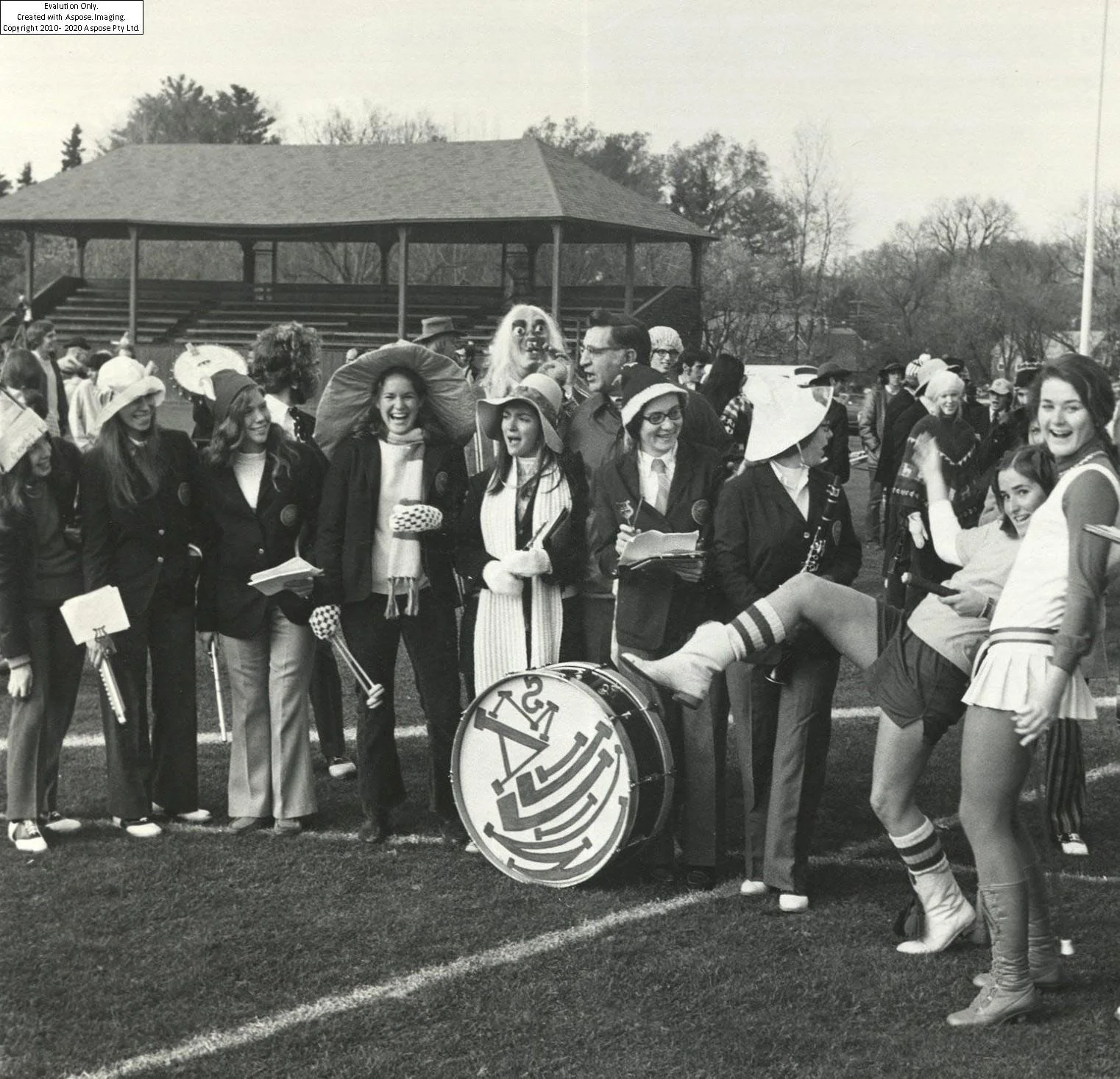
How the Little Ivy Concept Emerged in the 20th Century

Why Selectivity at Small Colleges Is Rising Faster Than the Ivies

A Data Look at Post-Graduate Outcomes at Little Ivy Colleges
2026 LITTLE IVY COLLEGE WINNER:
Union College

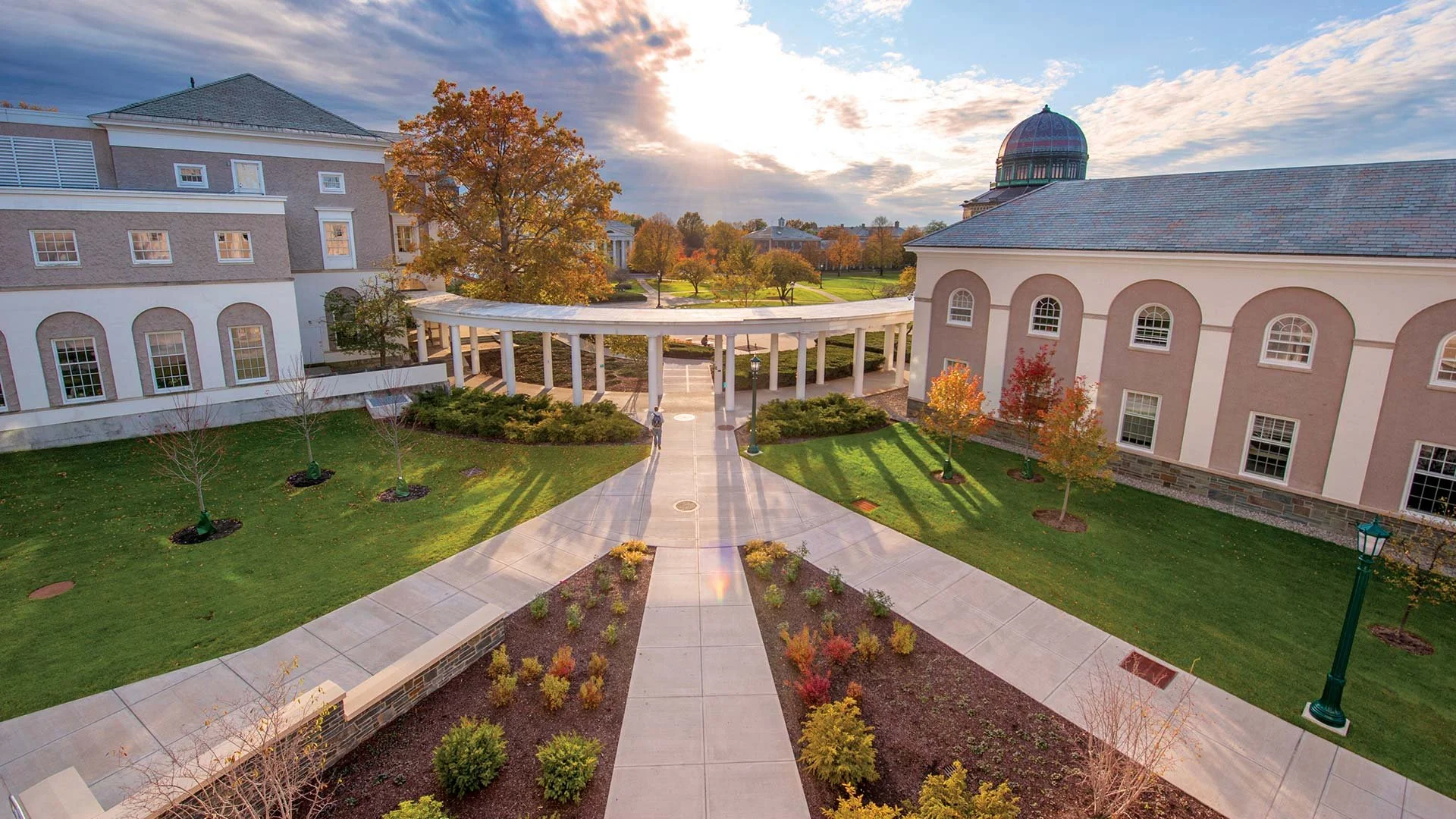
Founded in 1795, Union College is one of the nation’s oldest and most selective small colleges.
Union College’s long-standing academic tradition, competitive admissions, and distinctive liberal arts curriculum place it among the most discussed schools within the Little Ivy conversation.
01
Admit Rate Down
02
Yield Rate Up
03
Endowment Growth
FREQUENTLY ASKED QUESTIONS
-
A group of prestigious liberal arts colleges in the Northeast, primarily the NESCAC schools (Williams, Amherst, Bowdoin, Middlebury, Wesleyan, etc.), known for academic excellence and selectivity.
-
The term emerged in the 1950s-60s to describe elite New England liberal arts colleges that rivaled the Ivies academically but focused on undergraduate education.
-
No, they're completely separate. The Ivy League is an athletic conference of eight specific universities.
-
They combine exceptionally selective admissions (often under 10% acceptance), distinguished faculty, small class sizes, and outstanding graduate school/career outcomes.
-
Primarily in New England and upstate New York, with a few in the Mid-Atlantic region.
-
Yes—Williams, Amherst, and Bowdoin often have lower acceptance rates than Cornell and sometimes rival other Ivies.
-
Yes, most meet 100% of demonstrated need and have generous aid policies, though some aren't need-blind in admissions.
-
Small—typically 1,500-3,000 undergraduates with no graduate programs or very limited ones.
-
Economics, political science, English, history, and sciences. Strong pre-med and pre-law preparation with excellent grad school placement.
-
Extremely—they have powerful alumni networks, high grad school acceptance rates, and strong recruitment from top employers in finance, consulting, and tech.
-
They typically dominate the top 15-20 liberal arts college rankings, with Williams and Amherst usually in the top 3.
-
No—the term traditionally refers to New England schools. Excellent colleges like Pomona, Claremont McKenna, or Davidson aren't typically included despite similar quality.